

Best Dog Breeds for Apartments:
Living in an apartment doesn’t mean you can’t have a dog. Millions of Americans share small spaces with happy, healthy dogs. The secret is choosing a breed whose size, energy level, and barking habits fit apartment life. The best dog breeds for apartments are usually calm indoors, adaptable, not overly vocal, and happy with daily walks instead of a big backyard.
Here are 12 great apartment dogs, what makes them a good fit, and tips for making apartment life work.
What Makes a Dog Good for Apartment Living?
Size matters less than you might think. A calm large dog can be a better apartment companion than a high-energy small dog. Look for:
- Low to moderate energy indoors
- Low barking tendency, which your neighbors will thank you for
- Adaptability to noises, elevators, and neighbors
- Manageable exercise needs that daily walks can meet
- Friendliness toward strangers and other dogs you’ll meet in hallways
Also check your building’s rules. Many apartments have weight limits or breed restrictions.
12 Best Dog Breeds for Apartments
1. Cavalier King Charles Spaniel
Gentle, affectionate, and adaptable, Cavaliers are happy lounging on the couch after a walk. They’re friendly with people and other dogs and are usually not big barkers.
2. French Bulldog
Frenchies are one of America’s most popular breeds, and they fit apartments very well. They’re quiet, low-energy, and don’t need much space. Their flat faces make them sensitive to heat, so avoid exercise on hot days.
3. Bichon Frise
Cheerful and playful, the Bichon adapts well to small homes. Its low-shedding coat needs regular grooming, and it does best with owners who are home often.
4. Shih Tzu
Shih Tzus were bred as companion dogs. They’re affectionate and happy indoors, and they need only short walks.
5. Boston Terrier
Friendly, compact, and generally quiet, Boston Terriers are known as “American gentlemen.” They enjoy play but settle down easily indoors.
6. Pug
Pugs are charming, laid-back, and love being near their people. They don’t need much exercise, but like French Bulldogs, they don’t handle heat well.
7. Havanese
Havanese dogs are social, smart, and eager to please. They’re easy to train and adapt well to city life, though they don’t like being left alone for long periods.
8. Maltese
Small, gentle, and affectionate, Maltese dogs need little space. Early training helps reduce barking.
9. Greyhound
It may surprise you, but retired racing Greyhounds are known as “45-mph couch potatoes.” They’re calm and quiet indoors and need a daily walk plus the chance to run in a safe, enclosed area occasionally.

10. Basset Hound
Basset Hounds are relaxed and friendly. They can be vocal, especially when bored, so they need walks and mental stimulation.
11. Chihuahua
Tiny and portable, Chihuahuas fit easily into apartments. They can be barky and protective, so early socialization and training are important.
12. Miniature Poodle
Intelligent, low-shedding, and highly trainable, Miniature Poodles adapt well to apartments as long as they get daily exercise and mental challenges.
Best Apartment Dogs for First-Time Owners
If you’re new to dogs, these breeds are usually the easiest to live with:
- Cavalier King Charles Spaniel: gentle and eager to please
- Bichon Frise: friendly and trainable
- Havanese: smart and people-oriented
- Boston Terrier: easygoing and adaptable
Breeds That Usually Struggle in Apartments
These breeds can live in apartments with very dedicated owners, but they’re usually harder:
- Border Collies and Australian Shepherds: very high energy and need a job
- Huskies: energetic, vocal, and escape artists
- Jack Russell Terriers: energetic and often barky
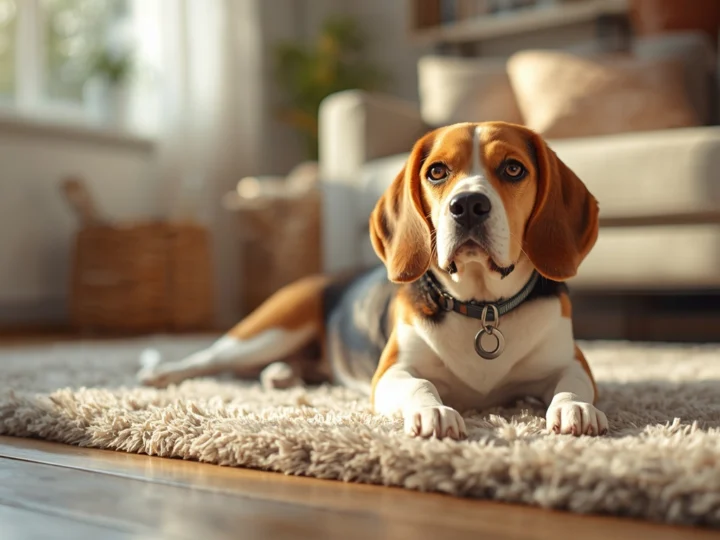
- Beagles: friendly but prone to howling
If you’re drawn to one of these breeds, be honest about your time for exercise and training.
Tips for Happy Apartment Living With a Dog
Stick to a Routine
Dogs feel secure with regular walk, meal, and potty times. This also helps with house training in buildings without easy yard access.
Exercise Every Day
Even calm breeds need daily walks. Aim for at least 30–60 minutes of activity, split into several walks, plus play.
Provide Mental Stimulation
Puzzle toys, snuffle mats, and short training sessions tire dogs out just as much as physical exercise.
Manage Barking Early
Neighbors hear everything in apartments. Our guide on how to stop dog barking shares proven, humane methods. If your dog barks at hallway noises, see how to stop dog barking at the door.
Crate Train for Calm Alone Time
A crate can become a safe, cozy den. Read our step-by-step guide on how to crate train a puppy.
Be a Good Neighbor
Keep your dog leashed in common areas, clean up immediately, and teach polite greetings.
Do Big Dogs Do Well in Apartments?
Some do. Greyhounds, Great Danes, and Bernese Mountain Dogs can be surprisingly calm indoors. The bigger challenges are building weight limits, stairs, and space for a large bed and crate. Energy level matters more than size.
Where to Find Your Apartment Dog
Local shelters and breed rescues are full of adult dogs whose energy and noise levels are already known, which makes matching easier. To learn more about specific breeds and their traits, visit the American Kennel Club’s dog breed directory. For general care tips, see the ASPCA’s pet care resources.
If you’re a senior looking for a low-maintenance companion, our guide to the best dog breeds for seniors may help too.
Final Thoughts
The best dog breeds for apartments include the Cavalier King Charles Spaniel, French Bulldog, Bichon Frise, Shih Tzu, Boston Terrier, Havanese, and even the calm Greyhound. Choose a dog with low to moderate energy and a quiet nature, stick to a routine, and provide daily exercise and mental stimulation. Your apartment can be a wonderful home for a happy dog.
Frequently Asked Questions
What is the best small dog for an apartment?
Cavalier King Charles Spaniels, French Bulldogs, Bichon Frises, and Havanese are among the best small dogs for apartment life.
What is the quietest apartment dog?
Greyhounds, Cavaliers, French Bulldogs, and Shih Tzus tend to be quiet indoors.
Can I have a dog in an apartment if I work full-time?
Yes, with planning. Choose a calm adult dog, use a dog walker or doggy daycare, and provide puzzle toys for alone time.
Is a puppy or an adult dog better for an apartment?
Adult dogs are often easier because their personality and energy levels are known, and many are already house-trained.
How much exercise does an apartment dog need?
Most need at least 30–60 minutes of walks and play each day, depending on breed and age.
What should I check before getting a dog in an apartment?
Check your lease for pet rules, weight limits, and breed restrictions, and whether there’s a pet deposit or monthly fee.



Comments