
Can Cats Eat Bread?
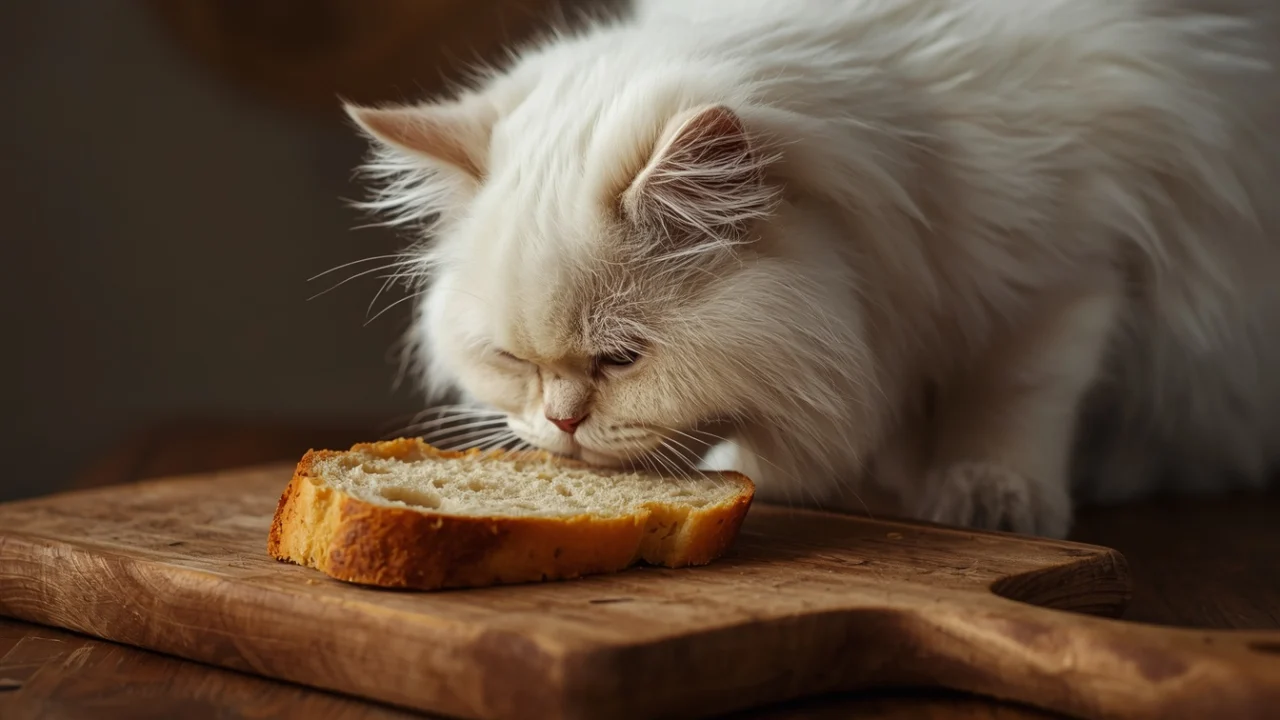
Some cats go wild for bread. They’ll steal toast crusts, lick sandwich edges, and beg every time a loaf comes out. So can cats eat bread? Yes, cats can eat a small amount of plain, fully baked bread. It isn’t toxic, but it offers almost no nutrition for a meat-eating animal. Some types of bread, and raw bread dough, can be seriously dangerous.
Here are the six essential facts every cat parent should know before sharing a bite.
Fact 1: Plain Baked Bread Isn’t Toxic to Cats
A small piece of plain white or whole wheat bread won’t poison your cat. Bread is mostly carbohydrates with small amounts of protein and fat. Cats are obligate carnivores, so they need animal protein, taurine, and specific nutrients that bread simply doesn’t provide.
Bread is basically empty calories for a cat. A thumbnail-sized piece now and then is fine. A slice a day is not.
Fact 2: Raw Bread Dough Is an Emergency
This is the most important fact in this article. Never let your cat eat raw yeast dough. Two things happen when a cat swallows it:
- The dough keeps rising in the warm stomach. It can stretch the stomach painfully and, in serious cases, cause bloating or a blockage.
- Yeast fermentation produces alcohol (ethanol), which is absorbed into the bloodstream and can cause alcohol poisoning.
Signs include a swollen belly, vomiting or retching, wobbliness, weakness, and disorientation. If your cat ate raw dough, call your vet or the ASPCA Animal Poison Control Center at (888) 426-4435 right away.
Fact 3: Some Breads Are Toxic
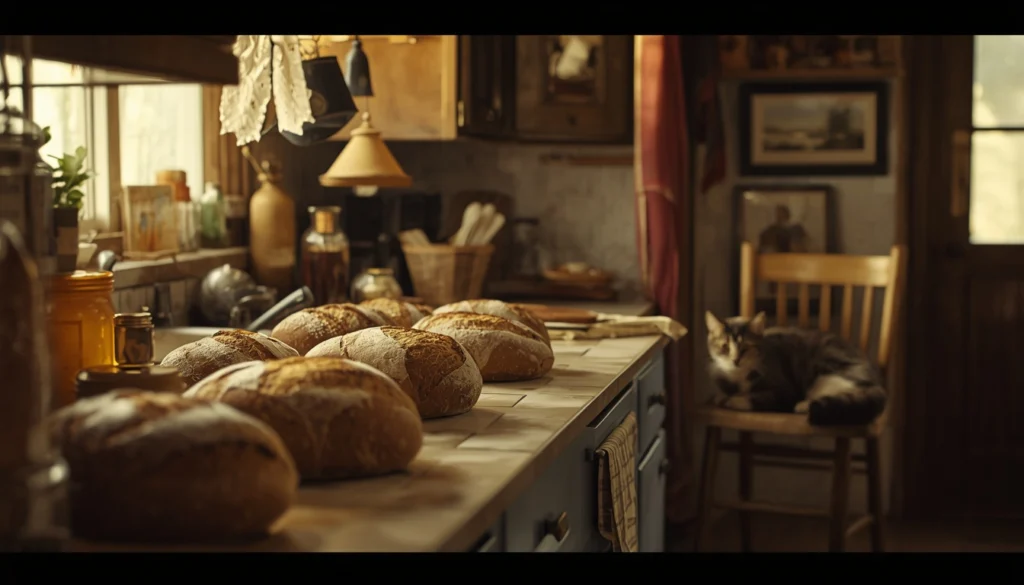
Plain bread is one thing. Many breads contain ingredients that are harmful to cats:
- Garlic bread and onion bread: Garlic, onions, chives, and leeks damage a cat’s red blood cells. Even garlic powder is a risk.
- Raisin bread: Raisins and grapes are dangerous to pets.
- Chocolate bread or chocolate chip rolls: Chocolate is toxic to cats.
- Sugar-free bread or baked goods with xylitol: Xylitol is dangerous for many pets.
- Heavily seasoned or cheesy breads: Salt, spices, and dairy can upset the stomach.
For a full list of risky foods, see the ASPCA’s list of people foods to avoid.
Fact 4: Different Types of Bread Explained
Can Cats Eat White Bread?
Yes, in a tiny amount. White bread is plain and easy to digest, but it has almost no nutritional value.
Can Cats Eat Sourdough Bread?
Fully baked sourdough is fine in a small bite. Raw sourdough starter is not. It contains live yeast and can cause the same dough and alcohol problems described above.
Can Cats Eat Bread Crust?
A small piece of plain crust is okay. Crusts are chewier, so make sure the piece is small enough to avoid choking.
Can Cats Eat Bread and Butter?
A tiny lick of butter won’t cause poisoning. Butter is high in fat, and many adult cats are lactose intolerant, so it can lead to diarrhea. Skip it.
Can Cats Eat Bread and Milk?
This old-fashioned “treat” is not recommended. Most adult cats can’t properly digest lactose, so bread soaked in milk often causes stomach upset.
Fact 5: How Much Bread Is Safe for Cats?
Follow the 10% treat rule: treats should make up no more than 10% of your cat’s daily calories. One slice of bread has about 70–80 calories. That’s a big chunk of an average indoor cat’s daily needs of roughly 200–250 calories.
A safe portion is one or two thumbnail-sized pieces of plain baked bread, occasionally. Don’t let bread replace a meal.
Fact 6: Why Your Cat Loves Bread
Many cat owners are surprised by how much their cats love bread. There are a few reasons:
- Yeast smell: Many cats are drawn to the smell of yeast, which is why some cat supplements use brewer’s yeast as a flavor.
- Texture: The soft, chewy texture is interesting to play with and nibble.
- Attention: Your cat wants what you’re eating and loves sharing the moment with you.
If your cat keeps begging, try giving a healthy, protein-based cat treat instead. Your cat still gets the attention, without the empty calories.
What to Do If Your Cat Ate Bread
- Plain baked bread: Usually no problem. Watch for mild stomach upset.
- Bread with garlic, onion, raisins, chocolate, or xylitol: Call your vet or a pet poison hotline.
- Raw dough: Treat it as an emergency and contact your vet immediately.
For trusted cat health information, the Cornell Feline Health Center is an excellent resource.
Bread Safety Checklist
Before you share any bread with your cat, run through this quick checklist:
- Is it fully baked? Never raw or partly baked dough.
- Is it plain? No garlic, onion, herbs, cheese, or seeds.
- Is it free of raisins, chocolate, and nuts?
- Is it sugar-free without xylitol? Check sweetened breads and “keto” breads carefully.
- Is the piece thumbnail-sized or smaller?
If you can answer yes to every question, a small bite is fine for a healthy adult cat.
Can Cats Eat Bread Every Day?
It’s better not to. Daily bread fills your cat up with carbohydrates and leaves less room for the protein it needs. Over time, that can lead to weight gain, and in overweight cats, a higher risk of diabetes. Once a week or less is a sensible limit if your cat enjoys it.
Bread and Cats With Health Conditions
Skip bread completely if your cat is diabetic, overweight, has food allergies, or eats a prescription diet. Grains in bread can also trigger reactions in cats with wheat sensitivities. Signs include itching, ear problems, vomiting, or loose stools.
Healthier Snacks for Cats
Instead of bread, try these carnivore-friendly treats:
- Plain cooked chicken or turkey
- Small pieces of plain cooked fish
- Plain cooked egg. See our guide on scrambled eggs for cats.
- A small piece of plain cooked shrimp. Read can cats eat shrimp first.
Curious about other kitchen foods? Check our guide on whether cats can eat bananas.
In Short
Can cats eat bread? Yes. A small bite of plain, fully baked bread is safe for most healthy cats. It offers no real nutrition, though, and breads with garlic, onion, raisins, chocolate, or xylitol are dangerous. Raw yeast dough is a true emergency. Keep bread as a rare nibble and let high-quality cat food do the real work.
Frequently Asked Questions
Is bread bad for cats?
Plain baked bread isn’t toxic, but it’s empty calories. Regular feeding can lead to weight gain and poor nutrition.
Can kittens eat bread?
It’s best to avoid it. Kittens need calorie-dense, protein-rich kitten food to grow, and bread can fill them up without nutrients.
What happens if a cat eats raw dough?
The dough can expand in the stomach and produce alcohol. This can cause bloating, vomiting, wobbliness, and alcohol poisoning. Contact a vet immediately.
Can cats eat garlic bread?
No. Garlic is toxic to cats and can damage their red blood cells, even in small amounts.
Why is my cat obsessed with bread?
Many cats love the smell of yeast and the soft texture. Some simply enjoy sharing food with their owners.



2 pet parents chimed in