
Dogs
Can Dogs Eat Pickles? 7 Important Facts to Know
Can Dogs Eat Pickles? Pickles are a crunchy, salty favorite on burgers and sandwiches, and your dog might be eyeing that spear on your…
Hey pet parent! 🐾
Friendly, practical guides on dog & cat care, pet food, training and health — for brand-new and seasoned pet parents alike.
Hot this month
The most-read guide from every corner of the pet world. Swipe the top card away, use the arrows, or let the deck shuffle itself.
Can Dogs Eat Pickles? Pickles are a crunchy, salty favorite on burgers and sandwiches, and your dog might be eyeing that spear on your…

Can Cats Eat Bread? Some cats go wild for bread. They’ll steal toast crusts, lick sandwich edges, and beg every time a loaf comes…

Can Dogs Eat Shrimp Tails? Shrimp is a favorite at cookouts, seafood boils, and weeknight dinners, and it’s common for shrimp tails to end…

Best Dog Breeds for Apartments: Living in an apartment doesn’t mean you can’t have a dog. Millions of Americans share small spaces with happy,…

Why Does My Dog Lick My Feet? You sit down after a long day, kick off your shoes, and your dog immediately starts licking…

Syrian Hamster Cage: Syrian hamsters, also called golden or teddy bear hamsters, are the largest and most popular pet hamster species. They’re also very…
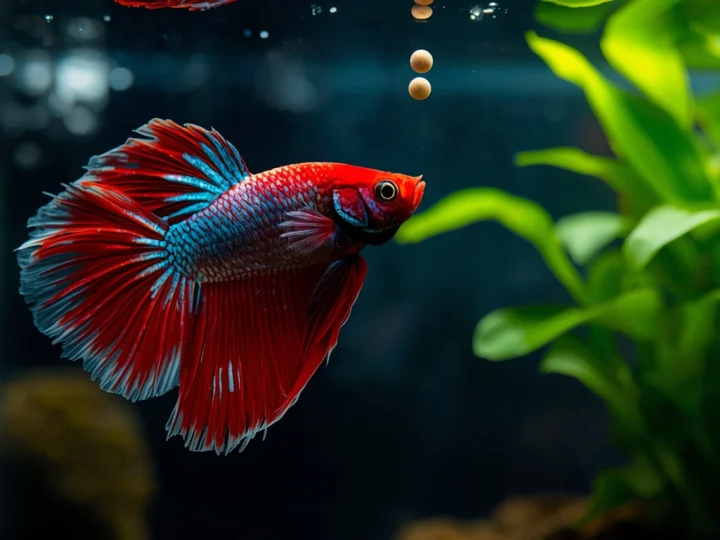
How Often to Feed Betta Fish: Feeding seems like the easiest part of betta care, but it’s where many owners make mistakes. Overfeeding is…
Pick a tag
Fresh from the scrapbook

Syrian Hamster Cage: Syrian hamsters, also called golden or teddy bear hamsters, are the largest and most popular pet hamster species. They’re also very…
Can Dogs Eat Pickles? Pickles are a crunchy, salty favorite on burgers and sandwiches, and your dog might be eyeing that spear on your…
Can Dogs Eat Shrimp Tails? Shrimp is a favorite at cookouts, seafood boils, and weeknight dinners, and it’s common for shrimp tails to end…
Why Does My Dog Lick My Feet? You sit down after a long day, kick off your shoes, and your dog immediately starts licking…
Best Dog Breeds for Apartments: Living in an apartment doesn’t mean you can’t have a dog. Millions of Americans share small spaces with happy,…

why does my cat follow me everywhere? You get up to grab a drink and your cat follows. You head to the bathroom and…

Why Does My Cat Headbutt Me? Your cat walks up, pushes its head firmly against your face or hand, and maybe rubs its cheek…
Meet the breeds
Temperament, care needs and fun facts — find the breed that fits your life.

Can Dogs Eat Pickles? Pickles are a crunchy, salty favorite on burgers and sandwiches, and your dog might be eyeing that spear on your…
Free & instant
Quick calculators for everyday pet-parent questions. Always double-check health decisions with your vet.
Convert dog years to human years, adjusted for size.
How old is your cat in human years — and which life stage?
Daily calories and cups for dogs and cats.
Stuck on a name? Get six fresh ideas.
60-second quiz
Answer six quick questions about your home and lifestyle — we will match you with a dog or cat breed and the guide to go with it.
6 quick questions
Ask the Vet
Several everyday foods can seriously harm pets. The big ones are chocolate, grapes and raisins, onions, garlic, leeks and chives, xylitol (a sweetener in sugar-free gum, some peanut butters and baked goods), alcohol, caffeine, macadamia nuts and raw yeast dough. Cats are especially sensitive to onions and garlic, and lilies are deadly to them. Cooked bones can splinter. If your pet eats something risky, call your vet or a pet poison helpline right away — don't wait for symptoms.
Young pets have tiny stomachs and big energy needs. Puppies usually eat three to four small meals a day until about 4–6 months old, then two meals a day. Kittens do best with four to five small meals until around 6 months, then two or three. Choose a complete food labelled for growth or "all life stages", measure every portion, and adjust to keep a healthy body shape. Your vet can fine-tune amounts at each check-up.
Great apartment and beginner-friendly breeds are adaptable, trainable and moderate in energy. Popular picks include the Cavalier King Charles Spaniel, Bichon Frise, Shih Tzu, Miniature Poodle, French Bulldog, Havanese and retired Greyhounds. Energy level and barking matter more than size. Whatever you choose, plan for daily walks, brain games and early training — and consider adopting an adult dog whose personality is already known. Try our breed quiz to find your match.
Consistency is the shortcut. Take your puppy outside first thing in the morning, after every meal, nap and play session, and at least every two hours. Use the same spot and a cue word, then reward with a treat and praise within two seconds of finishing. Supervise indoors, use a crate for short rests, and clean accidents with an enzyme cleaner. Never punish mistakes. Most puppies improve within two to four weeks; ask your vet if accidents suddenly increase.
Budget roughly $1,000–$3,000 a year for a dog and $700–$1,800 for a cat, depending on size, food, location and health. That typically covers food, routine vet visits, vaccinations, flea, tick and worm prevention, litter or poop bags, toys, grooming and insurance. The first year costs more because of adoption fees, spay or neuter, microchipping and supplies. Keep an emergency fund or pet insurance — surprise vet bills catch many new owners off guard.
These answers are general guidance, not veterinary advice. For any health concern, please consult your vet.