
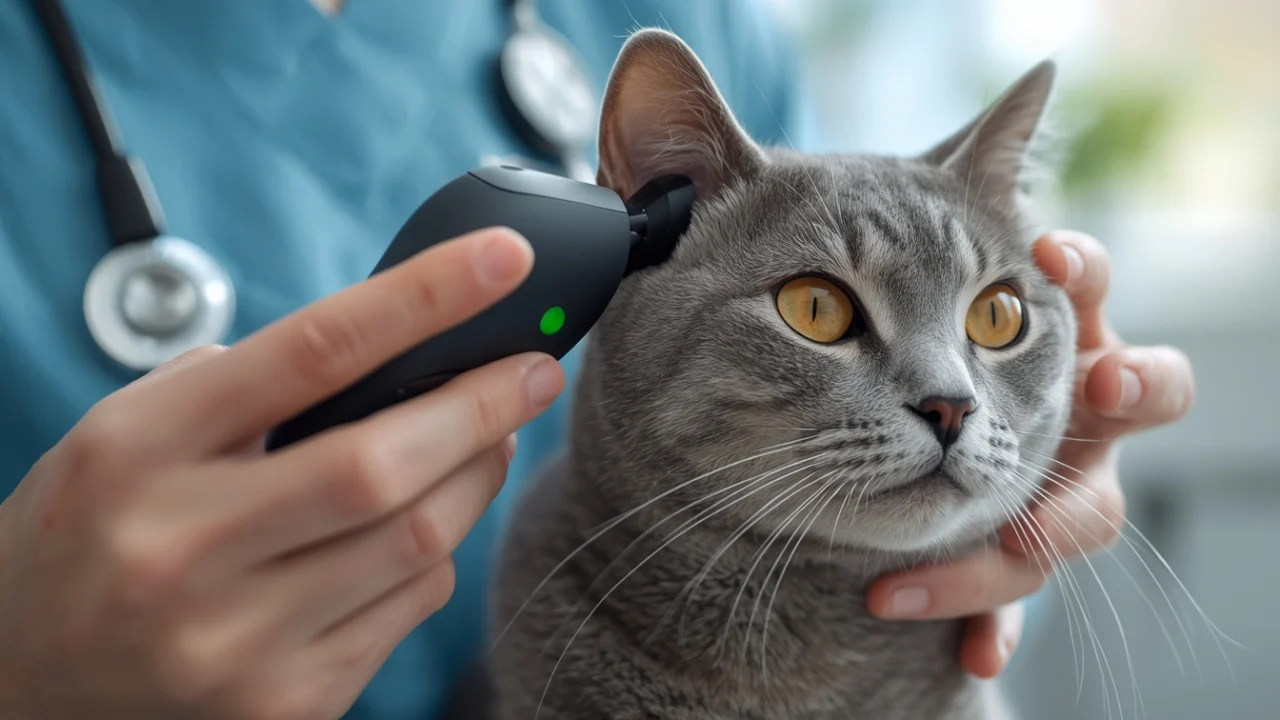
Cat Ear Mites:
If your cat keeps shaking its head, scratching its ears, or you’ve spotted dark, crumbly gunk inside the ear, cat ear mites could be the cause. Ear mites are one of the most common parasites in cats, especially kittens and cats that spend time outdoors or with other animals. The good news: they’re very treatable once properly diagnosed.
This guide covers the nine clearest signs, what ear mites look like, how they spread, and the most effective treatment options.
What Are Cat Ear Mites?
Ear mites are tiny parasites, most commonly a species called Otodectes cynotis. They live in the ear canal, where they feed on ear wax, skin oils, and debris. Their activity irritates the ear, causing intense itching and inflammation.
Ear mites are highly contagious between animals. They spread easily among cats, dogs, and ferrets through close contact, shared bedding, or grooming.
Who Gets Ear Mites Most Often?
- Kittens, especially those from shelters, breeders, or outdoor mothers
- Outdoor and stray cats
- Cats in multi-pet homes where one pet already has mites
- Newly adopted cats that haven’t had a full vet check yet
Adult indoor cats with no contact with other animals are much less likely to get them.
9 Clear Signs of Ear Mites in Cats
1. Dark brown or black ear debris that looks like coffee grounds
2. Frequent scratching at the ears or head
3. Head shaking or tilting the head to one side
4. Redness and inflammation inside the ear
5. A bad smell coming from the ears
6. Scabs, scratches, or hair loss around the ears and neck
7. Crusty skin near the ear opening
8. A swollen, puffy ear flap (an aural hematoma) caused by violent shaking or scratching
9. Irritability or sensitivity when you touch the ears
Not every cat shows every sign. Some cats with mites only have mild debris and occasional scratching.
Early Stage Cat Ear Mites
In the early stage, signs can be easy to miss. You might notice:
- A little extra scratching behind the ears
- Small amounts of dark wax
- Occasional head shaking
Catching mites early makes treatment faster and helps prevent secondary infections. If you notice these small changes, it’s worth scheduling a vet visit.
What Do Cat Ear Mites Look Like?
Adult ear mites are tiny white specks, smaller than a pinhead, and hard to see without magnification. You’ll usually notice the debris they cause rather than the mites themselves: dry, crumbly, dark-brown material deep in the ear canal.
Some owners see tiny moving white dots when they place a sample of the debris on a dark surface under bright light. The only reliable way to confirm mites, though, is for a vet to examine the ear with an otoscope or check a swab under a microscope.

How Do I Know If My Cat Has Ear Mites or Something Else?
Dark ear debris isn’t always mites. Bacterial or yeast infections, allergies, and normal wax buildup can look similar. That’s why a vet diagnosis is important. Using the wrong treatment can delay recovery or irritate an already inflamed ear.
How Are Cat Ear Mites Treated?
Treatment should be guided by your veterinarian. Common approaches include:
- Prescription spot-on (topical) parasite treatments applied to the skin. Several modern products are labeled to treat ear mites along with fleas and other parasites.
- Prescription ear medications placed directly into the ear canal
- Professional ear cleaning to remove debris so medication can work
- Treatment for secondary infections if bacteria or yeast are also present
Because ear mites spread so easily, all pets in the household are often treated at the same time, even if only one shows signs. Wash bedding in hot water too.
For a step-by-step look at recovery and home care, read our guide on how to get rid of cat ear mites.
Can Ear Mites Kill a Cat?
Ear mites themselves are rarely life-threatening. Left untreated, however, they can lead to:
- Painful secondary bacterial or yeast infections
- Aural hematomas that may need surgery
- Damage to the ear canal and, in severe cases, hearing problems
- Weakness in very young or already sick kittens
Early treatment prevents almost all of these complications.
Can Humans Get Ear Mites From Cats?
It’s very rare. Ear mites prefer animals. In unusual cases, people have developed a temporary itchy rash after close contact, but mites don’t establish infestations in humans. Washing hands after handling an affected cat is a good habit.
How to Check Your Cat’s Ears at Home
A quick weekly ear check helps you catch problems early:
- Pick a calm moment, such as when your cat is relaxed on your lap.
- Gently fold back the ear flap and look inside with good light.
- Healthy ears look pale pink with little or no wax and no strong smell.
- Warning signs include dark debris, redness, swelling, discharge, or a sour or yeasty odor.
- Don’t push cotton swabs into the ear canal. They can pack debris deeper and injure the ear.
If you see anything unusual, book a vet appointment rather than trying to clean it out yourself.
Ear Mites in Kittens
Kittens are the most common group affected by ear mites, and they’re often passed from the mother cat. Because kittens are small and still developing, they need a vet-approved treatment that’s safe for their age and weight. Some adult products are not safe for young kittens. Always ask your vet before using any medication on a kitten.
How to Prevent Ear Mites
- Keep up with a vet-recommended monthly parasite preventive
- Check your cat’s ears weekly for debris or odor
- Take new pets to the vet before introducing them to other animals
- Wash pet bedding regularly
For more trusted cat health guidance, visit the Cornell Feline Health Center or the VCA Animal Hospitals pet health library. If your cat also has other symptoms like sneezing or vomiting, see our guide on cat throwing up clear liquid. If your cat has a runny or wet nose, read why is my cat’s nose wet.
Frequently Asked Questions
Are cat ear mites contagious to other pets?
Yes. Ear mites spread easily between cats, dogs, and ferrets, so all pets in the home are often treated together.
How long do ear mites last in cats?
With proper vet treatment, most cats improve within a few weeks. Follow-up checks help confirm all mites and eggs are gone.
Can indoor cats get ear mites?
Yes, but it’s less common. Indoor cats usually pick them up from a new pet, a visit outdoors, or contact with an infected animal.
Can I treat cat ear mites at home?
Home remedies are not reliable and can irritate the ear. It’s best to get a vet diagnosis and use a proven prescription treatment.
What does ear mite debris look like?
It usually looks like dry, dark brown or black crumbs, similar to coffee grounds, deep inside the ear canal.



Comments