
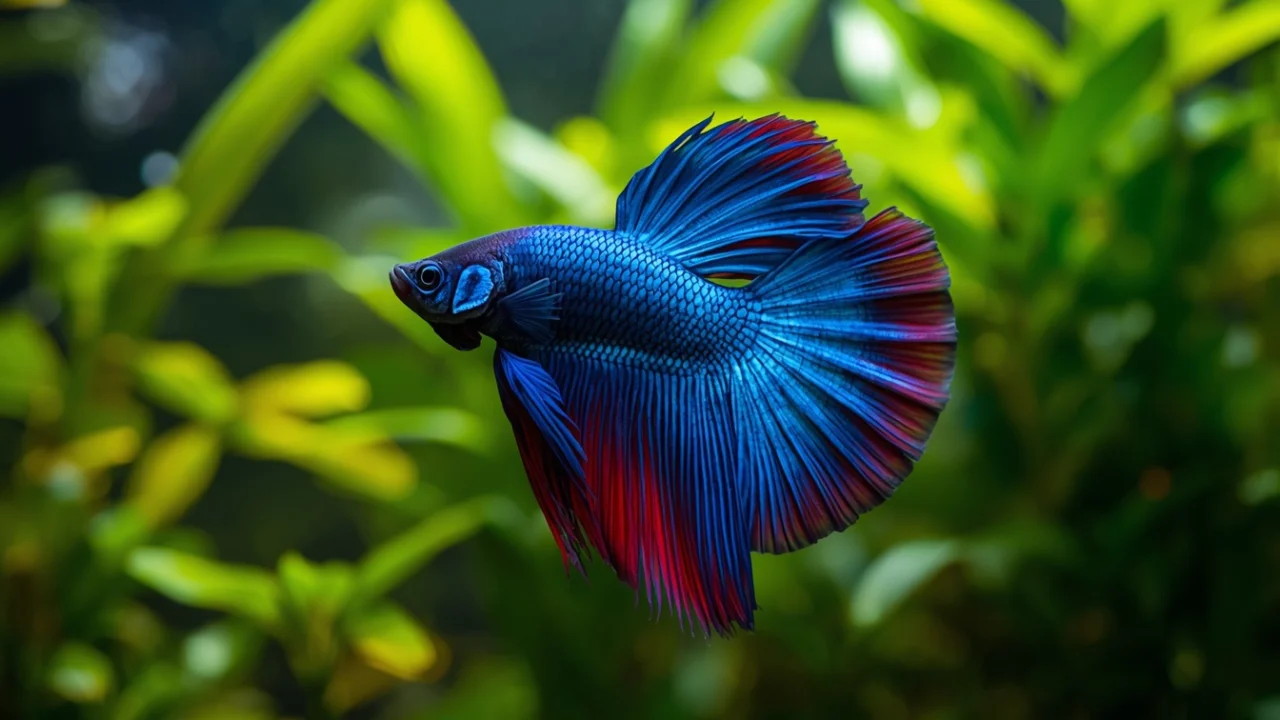
If you just brought home a betta, you probably want to know one thing: how long will this little fish be part of your life? The short answer is that most betta fish live 3 to 5 years in a home aquarium. Some reach 6 or even 7 years with excellent care, while many live less than a year because of small bowls, cold water, and poor feeding.
The good news is that almost everything that affects your betta’s lifespan is in your control. Let’s break down what’s normal, what shortens a betta’s life, and the proven habits that help yours live longer.
How Long Do Betta Fish Live in Captivity?
In captivity, a healthy betta usually lives 3 to 5 years. That number assumes a heated, filtered tank of at least 5 gallons, clean water, and a balanced diet.
Keep in mind that bettas are usually 6 months to 1 year old when you buy them from a pet store. Males are sold once their colors and fins fully develop. So if your betta lives 3 years in your home, it may actually be closer to 4 years old.
How Long Do Betta Fish Live in the Wild?
Wild bettas (Betta splendens) come from the shallow rice paddies, marshes, and slow streams of Thailand, Cambodia, Laos, and Vietnam. In the wild they usually live around 2 years. Predators, droughts, disease, and competition for food keep their lives short.
That surprises many people, because they assume “natural” means “better.” In reality, a well-kept aquarium betta almost always outlives its wild cousins.
Do Male and Female Bettas Live Different Lengths?
Male and female bettas have a similar lifespan of about 3 to 5 years. Males often seem to die younger. That’s mostly because they’re sold older and their long fins make them more prone to fin rot and injury. Females are often bought younger, so owners enjoy more years with them.
How Long Do Betta Fish Live in a 1-Gallon Tank?
This is where many bettas lose years of life. A betta in a 1-gallon bowl without a heater or filter often lives only 1 year or less. Small volumes of water get dirty fast, ammonia builds up, and the temperature swings every time the room gets cooler.
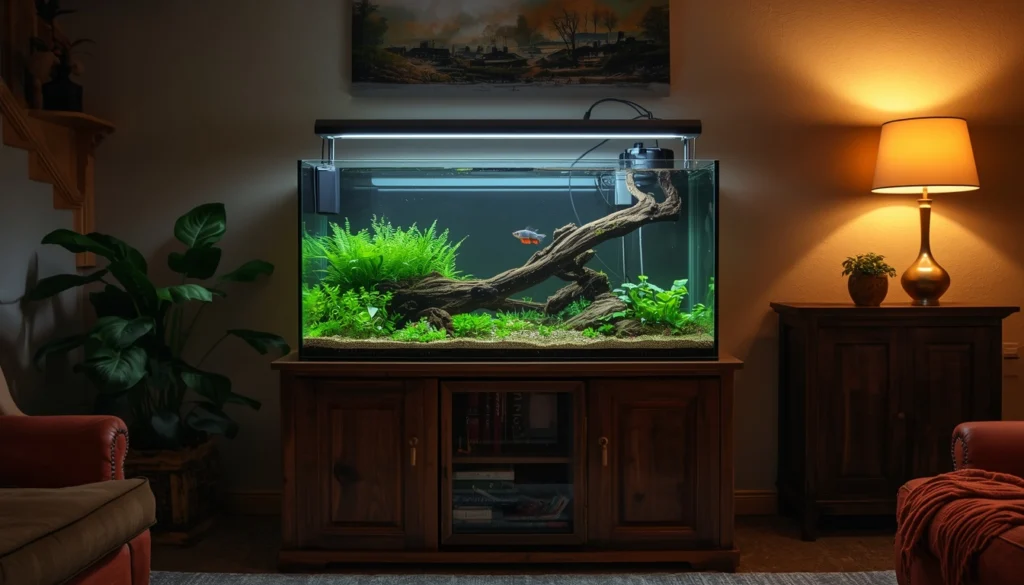
A 5-gallon tank or larger is the real minimum for a long, healthy life. Our full betta fish tank size guide explains why bigger is actually easier to maintain.
7 Proven Tips to Help Your Betta Live Longer
1. Choose a Tank of at Least 5 Gallons
More water means more stable water quality and temperature. A 5–10 gallon tank gives your betta room to explore, and it dilutes waste between cleanings.
2. Keep the Water Warm (76–82°F)
Bettas are tropical fish. Cold water weakens their immune system and slows digestion. Use an adjustable aquarium heater and a thermometer, and aim for around 78–80°F.
3. Use a Gentle Filter
A filter removes waste and grows beneficial bacteria that break down ammonia. Bettas don’t like strong currents, so choose a sponge filter or an adjustable filter set to low flow.
4. Cycle the Tank and Change Water Regularly
Before adding your betta, cycle the tank so healthy bacteria can grow. After that, change about 25% of the water every week and use a water conditioner to remove chlorine. Follow our step-by-step guide on how to clean a betta fish tank so you don’t stress your fish.
5. Don’t Overfeed
Overfeeding is one of the most common betta killers. Leftover food rots, pollutes the water, and causes bloating and swim bladder problems. Most bettas do well with 2–4 quality pellets once or twice a day. See exactly how often to feed betta fish for a simple schedule.
6. Pick Tank Mates Carefully (or None at All)
Aggressive or fin-nipping tank mates cause constant stress and torn fins. Never keep two male bettas together. Only add peaceful species in a large enough tank.
7. Add Plants and Hiding Spots
Live or silk plants, a floating “betta log,” and soft decorations help your betta feel secure. Avoid sharp plastic plants that can tear delicate fins.
Common Health Problems That Shorten a Betta’s Life
Watch for these issues and act early:
- Fin rot: ragged, shrinking, or dark-edged fins, usually caused by dirty water.
- Ich (white spot): tiny white dots on the body and fins, often triggered by cold or unstable temperatures.
- Swim bladder problems: floating sideways or struggling to swim, often linked to overfeeding.
- Dropsy: a swollen body with raised “pinecone” scales, a serious sign that needs quick attention.
- Velvet: a gold or rust-colored dust on the skin.
Most of these start with poor water quality, so good tank care is the best medicine. If your betta shows signs of illness, a vet who treats fish or an experienced aquarium store can help. General pet health guidance is also available from VCA Animal Hospitals.
Signs Your Betta Is Getting Old
As bettas age, you may notice:
- Colors fading or becoming duller
- Fins becoming thinner or slightly ragged
- Less activity and more time resting near the surface or on leaves
- A slightly curved or “hunched” back
- Less interest in bubble nests (in males)
An aging betta still deserves great care. Keep the water very clean, lower the water level slightly if it struggles to reach the surface, and offer food it can catch easily.
A Quick Betta Lifespan Summary
- Wild betta: about 2 years
- Betta in a small unheated bowl: often under 1 year
- Betta in a heated, filtered 5+ gallon tank: 3–5 years
- Exceptionally well-kept betta: 6–7 years
For more fish-keeping basics, the RSPCA’s pet advice pages are a useful, trusted starting point. Ready to build the perfect home? Read our betta fish tank setup guide next.
Frequently Asked Questions
How long do betta fish live on average?
On average, betta fish live 3 to 5 years in a properly heated and filtered aquarium. With excellent water quality and diet, some live 6 years or more.
Can a betta fish live 10 years?
It is extremely rare. Claims of 10-year-old bettas exist but aren’t well documented. A realistic best-case lifespan is around 6–7 years.
Why did my betta fish die so fast?
The most common causes are a tank that’s too small, no heater, no filter, dirty water, and overfeeding. Stress from being shipped and kept in pet store cups also plays a role.
How can I tell how old my betta is?
It’s hard to know exactly. Young bettas usually have bright colors, smooth fins, and lots of energy. Older ones tend to have faded colors, thinner fins, and slower movement.
Do bettas live longer alone?
Male bettas must live without other male bettas. A betta kept alone in a well-maintained tank often lives longer than one kept with stressful or aggressive tank mates.

1 pet parent chimed in